
Dark Streaks Form When Moisture, Shade, and Airborne Spores Stay on Shingles
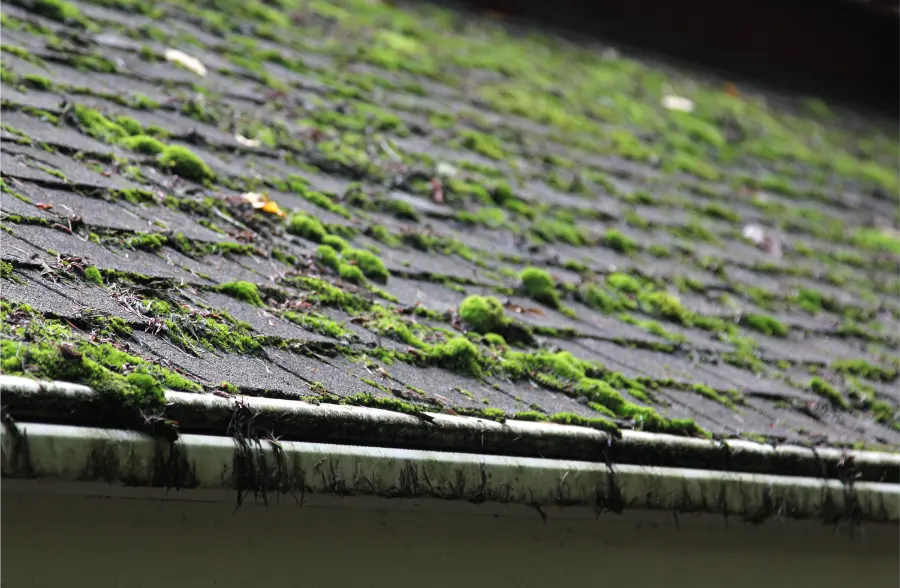
Roof algae usually grows on residential roofs because the roof stays damp for long periods, gets limited sun, and collects spores carried by wind. The dark streaks many homeowners see are often more common on north-facing roof areas or spots under tree cover. In places with warm, humid weather, this growth can spread faster and become easier to notice from the street.
Quick Diagnosis Summary
If you see black or dark green streaks on shingles, algae is often the cause. It does not always mean the roof is failing, but it can make the home look older and dirtier. In many cases, the problem starts slowly and spreads across the roof surface as moisture and shade work together. This is why many homeowners start looking into roof algae removal after the marks become hard to ignore.
Common Symptoms
Roof algae is easy to mistake for mold, dirt, or roof damage. The signs usually show up in a pattern instead of random spots. The streaks often run down the roof and become darker over time.
- Black or gray streaks on shingles
- Green patches in shaded areas
- Discoloration on one side of the roof
- Roof sections that look older than the rest
- Areas that stay damp after rain
Some homes also have moss mixed in with algae. Moss is thicker and holds more water. That can create a bigger problem if it is left alone too long. This is one reason a service in the general service category can help identify what is really growing on the roof.
Likely Causes
The biggest reason algae grows is trapped moisture. Shingles do not dry fast when the roof has heavy shade, poor airflow, or long humid periods. Spores in the air land on the roof and begin to spread once the surface stays wet often enough. Dirt and pollen can also feed growth and give algae a place to hold on.
Trees are a common factor. Branches over the roof block sunlight and drop leaves that hold moisture. Gutters can also play a part. If they clog, water may drain slowly and keep the edge of the roof damp. Older shingles may be more likely to show algae because their surface can wear down and trap more debris.
Roof design matters too. Valleys, low-slope sections, and roof areas with weak airflow dry slower than open sections with full sun. Even two homes on the same street can have very different algae problems if one sits under large trees and the other does not.
What to Check First
Before planning roof algae removal, start with a few basic checks from the ground. You do not need to climb the roof to spot common causes. A simple visual review can tell you a lot about why the growth started.
- Look for dark streaks on shaded roof slopes.
- Check if tree branches hang over the roof.
- See if gutters look full or overflow during rain.
- Notice which roof areas stay wet the longest.
- Check for piles of leaves in valleys or near edges.
If the roof has widespread staining, the issue may be more than surface dirt. If the shingles look curled, loose, or damaged, the problem may also involve aging materials. In that case, cleaning alone may not solve everything.
Safe Fixes Vs Pro-Level Fixes
Some light upkeep can help slow algae growth. Trimming branches, clearing gutters, and removing roof debris from the ground level can make a difference. These steps help the roof dry faster and reduce the wet conditions algae likes.
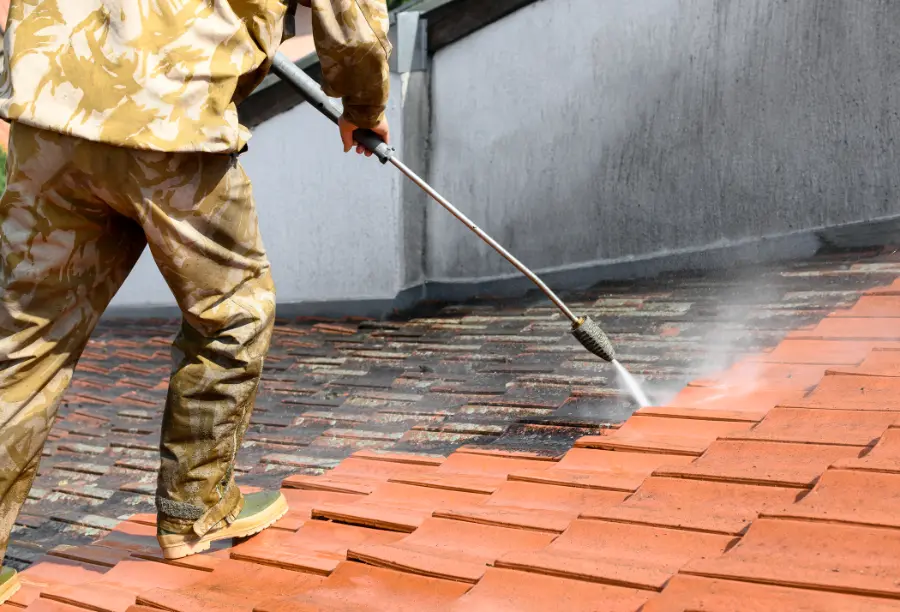
Actual roof algae removal is where care matters most. Harsh scrubbing can damage shingles. Strong pressure washing can strip protective granules and shorten roof life. Store-bought cleaners may also harm plants if used the wrong way. A trained crew can use safer cleaning methods, pick the right treatment, and protect surrounding surfaces during the work.
Professional help is often the better choice when streaks cover a large area, the roof is steep, or the home has delicate landscaping. It is also smart when the staining keeps coming back after basic cleaning attempts.
Prevention Tips
Stopping algae before it spreads is usually easier than dealing with heavy stains later. A few routine habits can lower the chance of future growth and help the roof stay cleaner for longer.
- Trim back branches to allow more sunlight
- Clean gutters so water moves away well
- Remove leaves and debris from roof valleys
- Watch for damp spots after storms
- Schedule roof checks after humid seasons
Some homeowners also ask about algae-resistant shingles when replacing a roof. These products can help in areas where algae is common. Good attic airflow can also support a healthier roof system by reducing extra heat and moisture buildup.
Final Recommendation
If dark roof streaks keep spreading, the cause is usually a mix of moisture, shade, and airborne growth. Acting early can help protect the roof’s appearance and reduce extra wear from trapped moisture and debris. If you are seeing signs of recurring algae in Miami Gardens, FL, we can inspect the roof and explain the next steps. At High Glass Window Cleaning, we offer practical help for roof algae removal and related roof care. Call us at (305) 848-2821 to set up a visit and get clear guidance for your home.