
The Same Moisture Problem Can Affect Many Roof Surfaces in Different Ways
Roof mold spreads across many roofing types because mold only needs moisture, shade, and time to grow. Shingles, tiles, wood, and other surfaces can all trap water or hold dirt. Once that happens, mold can move fast, especially in damp weather or on roofs with poor drainage. In Miami Gardens, FL, this often starts in shaded spots and near areas where water sits too long.
Quick Diagnosis Summary
If mold is spreading on a roof, the main problem is usually trapped moisture. The roofing material matters, but the same root issue shows up again and again. Water may sit after rain, gutters may clog, tree cover may block sunlight, or air flow may be poor. Roof mold removal helps treat the visible growth, but the spread often comes back if the moisture source stays in place.
Common Symptoms
Many people first notice dark streaks, green patches, or fuzzy spots. Some roofs look stained before the mold becomes thick. You may also see damp debris in roof valleys, near flashing, or around vents. In some cases, mold growth follows the line of a gutter or spreads under overhanging branches.
Common signs include:
- black or green marks on shingles
- patchy growth on tile or wood sections
- musty smells near the attic
- wet leaves or debris stuck on the roof
- repeated staining after rain
Likely Causes
Different roofing materials hold moisture in different ways. Asphalt shingles can trap grit and organic buildup. Wood shakes can absorb water and stay damp longer. Tile roofs have gaps and overlaps where debris can collect. Metal roofs dry faster, but mold can still grow where dirt piles up or where water drains poorly.
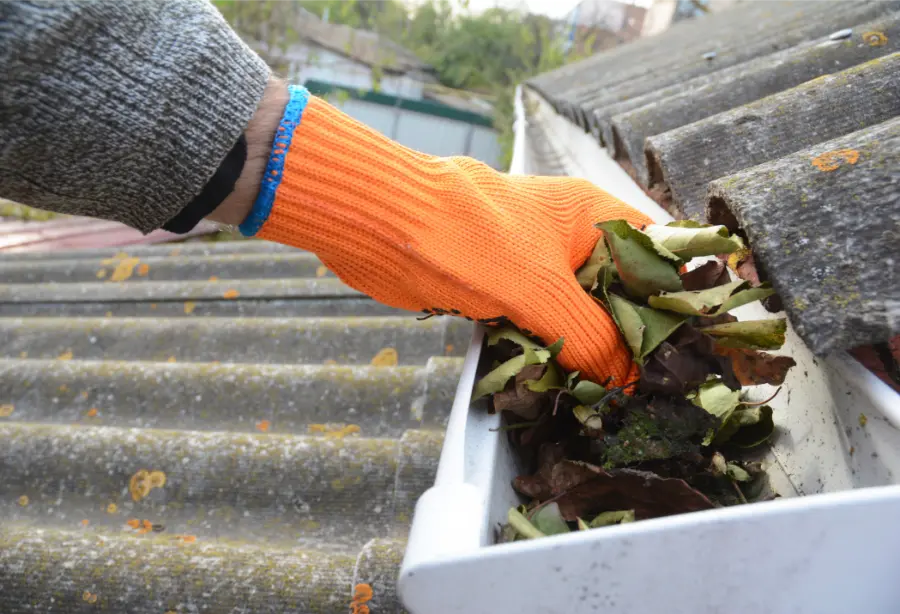
Mold also spreads when one section of the roof affects another. For example, wet leaves in a valley can keep nearby shingles damp. A clogged gutter can force water back under roof edges. If tree branches block sun, the roof may stay wet for hours longer each day. That extra moisture gives mold a steady place to grow.
The service category keyword may be blank here, but the main issue stays the same: moisture plus buildup creates the right space for mold.
What to Check First
Before any cleaning starts, check where the moisture is coming from. A roof may look like it only needs surface treatment, but the bigger problem can be drainage or shade. Start with simple visual checks from the ground if possible. Climbing on a roof without training can be risky.
- look for dark areas that stay shaded most of the day
- check gutters for clogs or overflow marks
- see if branches hang over the roof
- look for roof valleys holding leaves or moss
- check attic areas for damp air or leaks
- notice if one material changes into another, like tile to flashing
These spots often show why roof mold removal alone may not solve the full problem.
Safe Fixes Vs Pro-Level Fixes
Some basic steps are safe for property owners. Clearing ground-level downspout exits, trimming back small branches, and keeping gutters cleaner can help reduce moisture. If the mold is light and easy to reach from a safe position, gentle cleaning methods may slow the spread. Still, harsh scrubbing or strong chemicals can damage roofing materials.
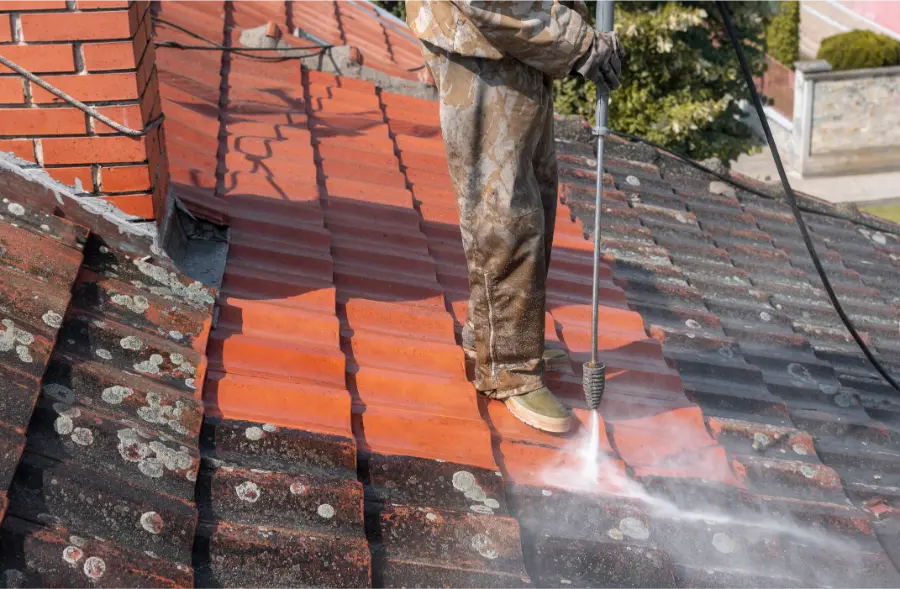
Pro-level work is better when the mold covers a large area, the roof is steep, or the growth keeps returning. A trained team can inspect the roofing surface, find hidden moisture trouble, and use methods that match the material. Soft washing may work better than pressure washing on many roofs. Pressure can loosen shingles, crack tiles, or push water into places where it should not go.
Roof mold removal becomes more than cleaning when the job also includes fixing drainage paths, removing debris traps, and spotting roof damage early.
Prevention Tips
The best way to slow mold spread is to keep the roof dry and clear. Mold spores are common outdoors, so the goal is not to remove every spore. The goal is to take away the wet, dirty surface that helps them grow.
- clean gutters on a regular schedule
- trim trees to allow more sunlight and air flow
- remove leaves from valleys and low spots
- watch for water stains after storms
- schedule roof checks after wet seasons
- fix small leaks before they turn into bigger damp areas
Prevention also depends on the roofing type. Wood may need closer watch after long wet periods. Tile roofs may need extra attention in gaps and edges. Shingle roofs often need debris control and gentle cleaning. A mix of materials on one roof can lead to uneven drying, which gives mold more chances to spread across sections.
Final Recommendation
If mold keeps coming back, the roof is telling you that moisture is still winning. Acting early can help limit stains, surface wear, and hidden damage under the roof line. A careful inspection and the right roof mold removal plan can stop small growth from turning into a larger repair issue.
Get Help When the Spread Keeps Returning
For homes in Miami Gardens, FL, we can help check what is causing the mold to spread and what steps make sense next. Contact High Glass Window Cleaning to schedule roof mold removal or ask questions about your roof’s condition. Call us at (305) 848-2821, and we will help you find a safe, practical next step.